

CN-WD
CurNext
Wall drying monitoring that reduces mold risk before finishes
Monitor gypsum, wet rooms, and tile backing with continuous evidence. CurNext CN-WD supports finish readiness and mold risk control - not endless pin-meter rounds.
In short
What is wall drying and mold risk monitoring?
Wall drying monitoring measures moisture conditions in gypsum, wet rooms, and tile backing so finishes go on when surfaces are ready. CurNext CN-WD turns continuous sensing into finish readiness evidence and helps teams reduce mold risk caused by closing in damp assemblies too early.
Outcomes
Finish readiness - not another clipboard check
CurNext answers one question: is this surface ready for the next construction phase?
Finish when walls are ready
Schedule coating, tiling, and handover when drying says go - not after another pin-meter round.
Fewer moisture callbacks
Catch damp gypsum, wet rooms, and tile backing before finishes trap the problem.
Evidence you can share
Documented drying history for clients, insurers, and dispute trails - not clipboard spot checks.
One platform with the rest of the site
Same CurNext stack as concrete curing and other L1 lines - one readiness view across surfaces.
The challenge
Damp walls hide until finishes fail
Premature finishes fail
Tiling or coating on damp walls causes bond loss, blistering, and costly claims.
Spot checks miss the night
Overnight rewetting and cold corners do not show up in a single afternoon reading.
No shared proof
Wet rooms and gypsum dry at different rates - without shared evidence, finishes stay a guess.
CN-WD
Wall and wet-room drying on the CurNext stack
A sealed battery LoRaWAN node with distributed probes tracks drying in gypsum, tile backing, and wet rooms. CN-Cloud turns that into finish readiness - when coating, tiling, or handover can proceed - with evidence, not guesswork.
Note: CN-WD is wall drying - not concrete slab curing (CN-CC) and not indoor air quality (CN-IAQ). Factory-fixed purpose on the same engineering platform family.
How it works
From the wall to a clear decision
01
Install
Mount the sealed node and place distributed probes in wall cavity, wet room, or tile-backing zones.
02
Sense
Track air and surface climate plus a material moisture proxy - continuous drying progress, not a one-off pin check.
03
Connect
Industrial wireless uplink into the CurNext building stack and cloud - built for the jobsite.
04
Decide
Finish-ready signals, alerts, and a compliance trail on curnext.app - for web and mobile.
Where it installs
Gypsum · Wet rooms · Tile backing
A sealed battery LoRaWAN node with distributed probes tracks drying in gypsum, tile backing, and wet rooms. CN-Cloud turns that into finish readiness - when coating, tiling, or handover can proceed - with evidence, not guesswork.
Gypsum
Board and lining that must be dry before paint, wallpaper, or next-layer work.
Wet rooms
Bathrooms and wet zones where moisture linger delays waterproofing and finishes.
Tile backing
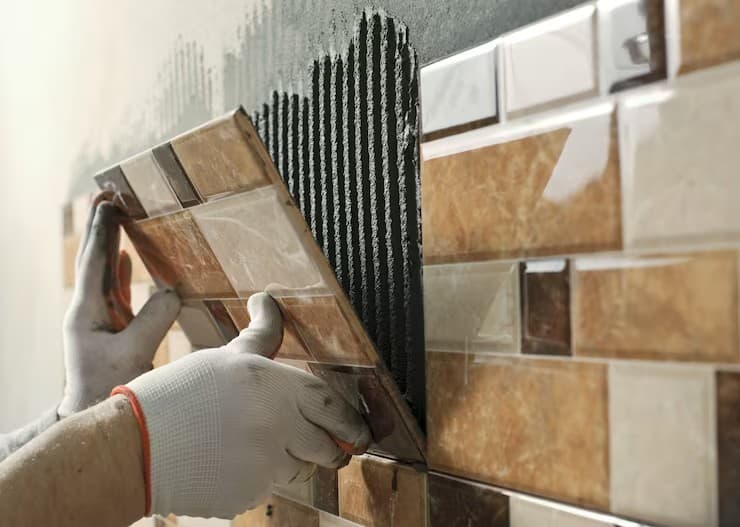
Substrates behind tile - dry enough so adhesives and membranes hold for the long haul.
Built for the site
Industrial by design
- Industrial sealed node
- IP68 philosophy for site conditions.
- Stable uplink
- LoRaWAN EU868 into the CurNext stack.
- Long field life
- 5-10 years typical reporting cadence.
- Factory-fixed purpose
- Wall drying - not a field reflash of CN-CC.
FAQ
Wall drying and mold risk questions
Direct answers for contractors researching wall drying monitors, wet-room readiness, and mold risk before finishes.
- What is a wall drying monitoring system?
- A wall drying monitoring system tracks moisture conditions in wall assemblies and wet rooms so teams know when surfaces are dry enough to finish. CurNext CN-WD provides continuous evidence instead of sparse pin-meter checks.
- Can CurNext help with mold risk prediction on walls?
- CurNext CN-WD supports mold risk reduction by showing when wall and wet-room assemblies are still too wet to close in. Continuous drying evidence helps prevent finishes over damp substrates - a common driver of mold claims. Pair with CN-IAQ and CN-LEAK when indoor climate or active leaks are also in scope.
- Where is CN-WD typically installed?
- CN-WD is used on gypsum walls, wet rooms, and tile backing zones where finish timing and moisture risk matter. Nodes sit on the CurNext industrial stack with project readiness visible in the cloud.
- How is CN-WD different from indoor air monitoring?
- CN-WD focuses on wall and wet-room drying readiness. CN-IAQ monitors indoor air quality (CO2, PM, VOC, climate). Use both when moisture drying and occupied-space air quality matter on the same project.
- Who should use CurNext wall drying monitoring?
- General contractors, wet-room specialists, tiling trades, and consultants who need documented finish readiness and fewer moisture or mold disputes at handover.
Next step
See CN-WD on your finishes
Walk through a site assessment with the CurNext team - dry enough to finish, with evidence you can hand to the client.