

CN-LEAK
CurNext
Leak detection monitoring for plant rooms, bathrooms, and risers
Catch water where it starts - before it stops the programme. CurNext CN-LEAK delivers event-driven leak alerts and evidence on the same stack as site readiness.
In short
What is construction leak detection monitoring?
Construction leak detection monitoring watches high-risk wet zones for water events so teams can act before damage spreads. CurNext CN-LEAK provides event-driven alerts and evidence for plant rooms, bathrooms, and risers on the same industrial stack as drying and IAQ solutions.
Outcomes
Early water detection - in the project stack
CurNext answers one question: is water where it should not be - and who needs to know now?
Faster response before damage spreads
Catch water where it starts in plant rooms, bathrooms, and risers - before a small leak becomes a programme-stopping flood.
Battery-friendly when dry
Event-driven LoRaWAN uplinks on detection keep the node quiet when dry - long field life without constant chatter.
Same stack as readiness
Alerts land on CurNext web and mobile with building context - not trapped in a standalone gadget app.
Traceable leak events
An event log for the project record - evidence you can show clients, insurers, and auditors.
The cost of late detection
Water waits for no walk-through
Small leaks become floods
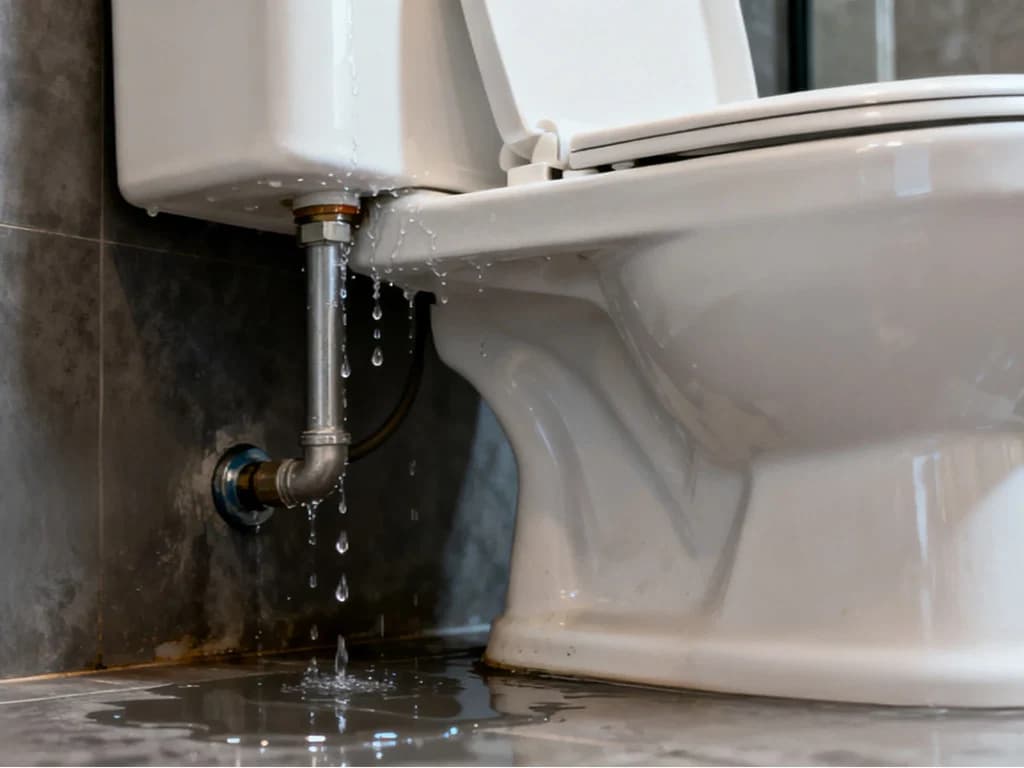
Water that starts under a toilet, tray, or plant skid spreads into finishes, shafts, and programme delay.
Wet zones checked too rarely
Plant rooms, bathrooms, and risers sit between walk-throughs - overnight events go unseen.
Alerts stuck outside the project
Standalone gadget apps do not join CurNext permissions, building context, or the site timeline.
CN-LEAK
Hybrid-cable leak detection on the CurNext stack
A Layer-1 node with gold-plated electrodes and/or rope zone interfaces for plant rooms, bathrooms, and risers. Event-driven LoRaWAN on water detection. Optional ambient context. Joins CN-FG → CN-BC → CN-Cloud for alerts and audit history.
Note: CN-LEAK is not moisture-in-gypsum drying (CN-WD) and not a flow meter (CN-MEP). It does not claim automatic valve shutoff or replace a full BMS.
How detection works
Electrodes. Rope zones. Optional ambient.
Cover the risk point or the run - with optional climate context beside the leak event.
Leak electrodes
Gold-plated electrodes detect water at the risk point where it first appears.
Rope / zone
Hybrid-cable rope or zone interfaces cover trays, skirts, and longer runs.
Optional ambient
Optional SHT45 temperature and humidity for context beside the leak event.
How it works
From the risk zone to a clear alert
01
Install
Place the node and run electrode or rope in risk zones - plant room, bathroom, or riser.
02
Sense
Gold-plated leak electrodes, rope / zone interface, and optional ambient T/RH.
03
Uplink
Event-driven LoRaWAN on detection, plus heartbeats as designed - into CN-FG → CN-BC → cloud.
04
Decide
Immediate alerts, location context, and an event log on curnext.app - web and mobile.
Install zones
Plant rooms · Bathrooms · Risers
The wet zones that walk-throughs miss overnight - and where a small release becomes a big claim.
Plant rooms
Skids, trays, and floors where a small release can cascade into downtime.
Bathrooms
Wet rooms and sanitary zones where leaks hide until finishes and neighbours feel it.
Risers
Shafts and vertical paths where water travels far before anyone sees it.
Event-driven uplink
Speak when water appears
Carry the events that matter without flooding the network when nothing is wet.
Event-driven when wet
Uplink fires on water detection so the network carries the event that matters - not endless dry chatter.
Quiet when dry
Heartbeats as designed keep health visible; primary battery life stays long between events.
Built for the site
Industrial by design
- Hybrid cable
- Electrodes and/or rope zones.
- Event-driven LoRa
- Class A, EU868 on detection.
- Field life
- 5-10 years typical when dry.
- Factory-fixed purpose
- Leak detection - not CN-WD or CN-MEP.
FAQ
Leak detection monitoring questions
Direct answers for teams researching leak detection systems for construction sites and plant rooms.
- What is a construction leak detection system?
- A construction leak detection system senses water events in high-risk zones and alerts site teams quickly. CurNext CN-LEAK focuses on plant rooms, bathrooms, and risers with cloud evidence.
- How does CN-LEAK help with moisture and mold risk?
- Active leaks can drive moisture damage and mold risk if unnoticed. CN-LEAK alerts on water events early. For drying readiness use CN-WD; for indoor climate context use CN-IAQ.
- Does CN-LEAK shut valves automatically?
- CN-LEAK is leak detection and alerting on the CurNext stack. It does not claim automatic valve shutoff or replace a full BMS.
- Where should leak detection nodes be placed?
- Typical placements include plant rooms, wet rooms, bathrooms, and risers where a water event can stop work or damage finishes.
- Who should use CurNext leak detection?
- MEP leads, site managers, and contractors who need early leak alerts with project evidence alongside other CurNext readiness systems.
Next step
See CN-LEAK on your risk zones
Walk through a site assessment with the CurNext team - early water detection on the same stack as readiness.